


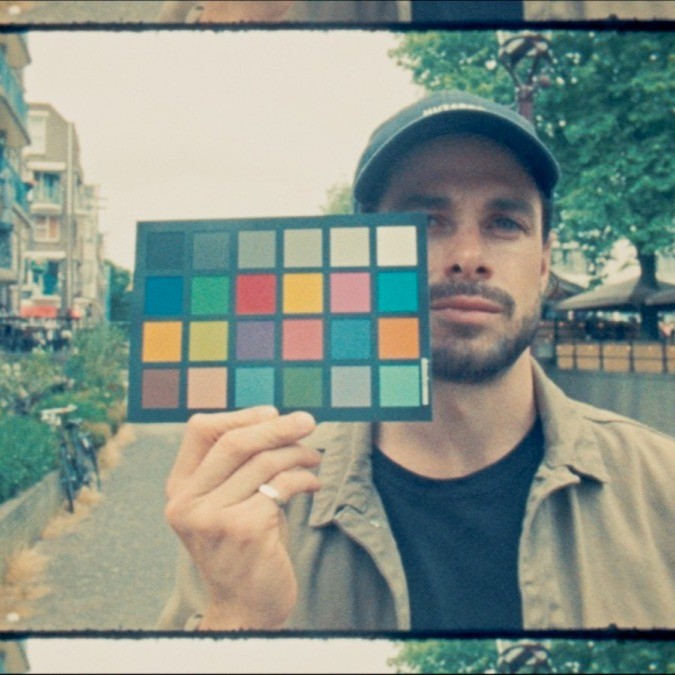
We recently caught up with the talented Jethro Westraad (Class of 2010), originally from Durban and now based in Amsterdam, for a short Q and A that explores his exciting journey in the world of filmmaking.
As he eloquently puts it –
“I will always love filmmaking for the places it takes me and the new worlds it allows me to step into – even if just for a brief moment.”
Jethro Westraad
In our latest instalment of ‘From Our Old Boys’ Network’, Jethro shares insights into his Clifton roots and how they have profoundly shaped his success in the film industry. His short film ‘Love, Your Neighbour’ recently being showcased at the IDFA Festival in Amsterdam, we couldn’t be prouder to share his remarkable journey, with our Old Boys’ Network.

How did you end up where you are now?
At the moment I live in Amsterdam, where I run my own film production company called YES OUI SÍ. I also continue to work on documentaries and artistic research projects in South Africa, mostly in Durban. Getting here (on a green mamba) took some navigating, but nothing too illicit. Here is a rough timeline of the journey from matriculating at Clifton to now:
I. Rings the bell at Clifton and heads off to Matric Rage (loses a few precious brain cells along the way).
II. Takes a gap year working as a waiter and later as a marketing assistant at LIV Village in Durban.
III. Studies law at UCT before switching to Screen Production and English Literature, then completes a postgraduate degree in Film Theory.
IV. Graduates from UCT and lands a lucky job as a lecturer at CPUT in Cape Town, teaching cinematography and film history for five years.
V. Awarded the Erasmus Plus Scholarship to pursue a master’s degree in Europe. Accepted into DocNomads to study documentary directing for two years at universities in Portugal, Hungary and Belgium, fully funded.
VI. Graduates and receives a zoekjaar visa to work in the Netherlands.
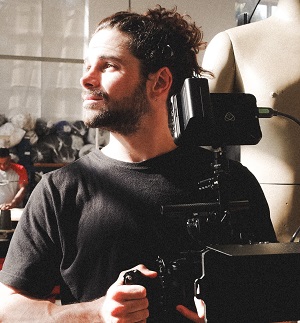
What are some of the good/fond memories you forged during your time as a schoolboy at Clifton?
The house plays were always a highlight. I vividly remember flinging Marie biscuits across the school hall in the name of “theatre.” Beating Westville in basketball for the first time in Clifton’s history was another great moment. Going on rugby tour to Grey High School and facing a young Siya Kolisi is also a favourite story – although we were smashed 84-0. To top it off, I slipped on my head while trying to clear a ball on our five metre line, gifting them the final try.
I also think fondly of Hymn Practice, led by the inimitable Mr Thompson, which inevitably ended with the boys tunelessly screeching “How Great Thou Art” at the top of their lungs. And lastly, an absolute gem of every weekly assembly that deserves a trophy of its own: Vedanthan Pather’s gut-achingly hilarious Chess team announcements. For those who remember, V would deliver rousing accounts of the team’s conquests that could rival Mel Gibson in Braveheart.
For me, it’s these quirky details – the parts that break the typical boys’ school mould – that really capture the Clifton spirit.
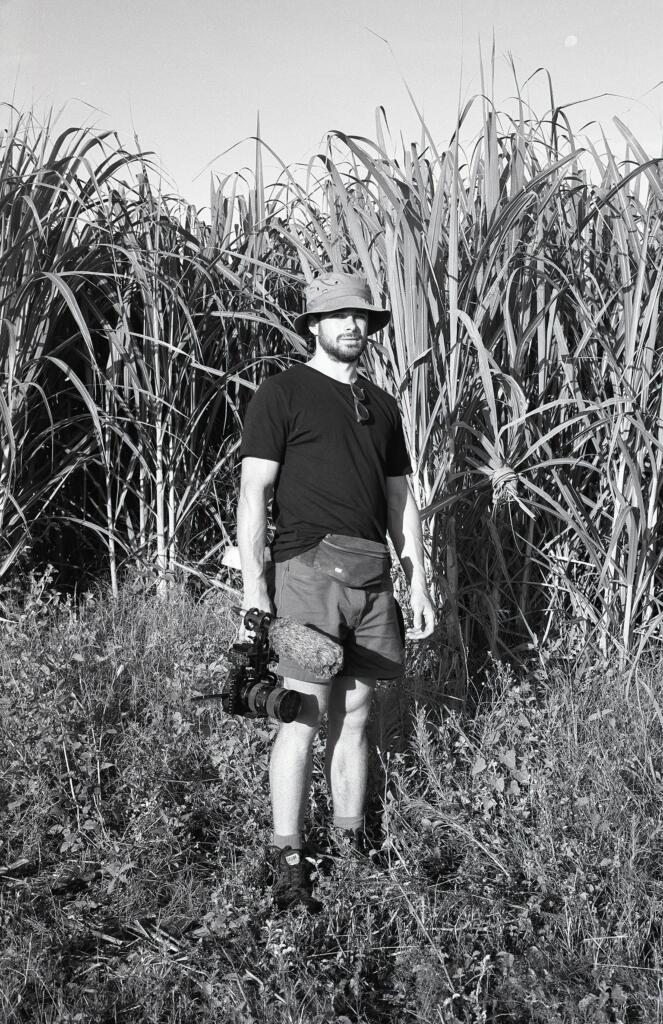
What had the biggest impact on your life whilst still a schoolboy at Clifton?
I always appreciated teachers who encouraged creativity and originality, and who weren’t afraid to challenge the boys to express themselves beyond the stifling rules that often come with a boys-only school. Of course, that doesn’t mean the teachers always appreciated me – from what I recall, I could be a bit of a handful.
The teachers who had the biggest impact on me were mostly in the Humanities and Arts – Drama, English, and History, as you might expect. I’m especially grateful to Donovan Fletcher and the English teachers for including cinema in the curriculum and showing us Stanley Kubrick films in Grade 10 – hugely formative for me. To Ivan Boniaszczuk, for turning Macbeth into a Matrix Reloaded-style production with a soundtrack featuring Rage Against the Machine and The Smashing Pumpkins (people still talk about that play). To Rowan McCabe, for teaching me how to structure an essay – PEAL became my mantra throughout university – and to Brian Mitchell for keeping me at Clifton and supporting me as a student leader.
What lesson did you take away with you from Clifton?
Public speaking – the ability to express ideas, arguments, and points of view – is perhaps the most crucial skill I developed during my time at Clifton. This came not only from debating and public speaking competitions, but also through school plays, my time as a prefect, and later, Toastmasters. I cannot emphasise this enough: put yourself in uncomfortable situations and learn to handle them on the fly. Speaking to a crowd builds confidence and sharpens your persuasive skills.
Taking on leadership responsibilities at school also teaches you how to manage conflict and criticism, which inevitably arises. I rely on these lessons constantly – in meetings, presentations, pitches, and even informal coffees with potential clients. The ability to listen, however, is something I probably could have worked on a bit more at Clifton – but we can’t be good at everything.
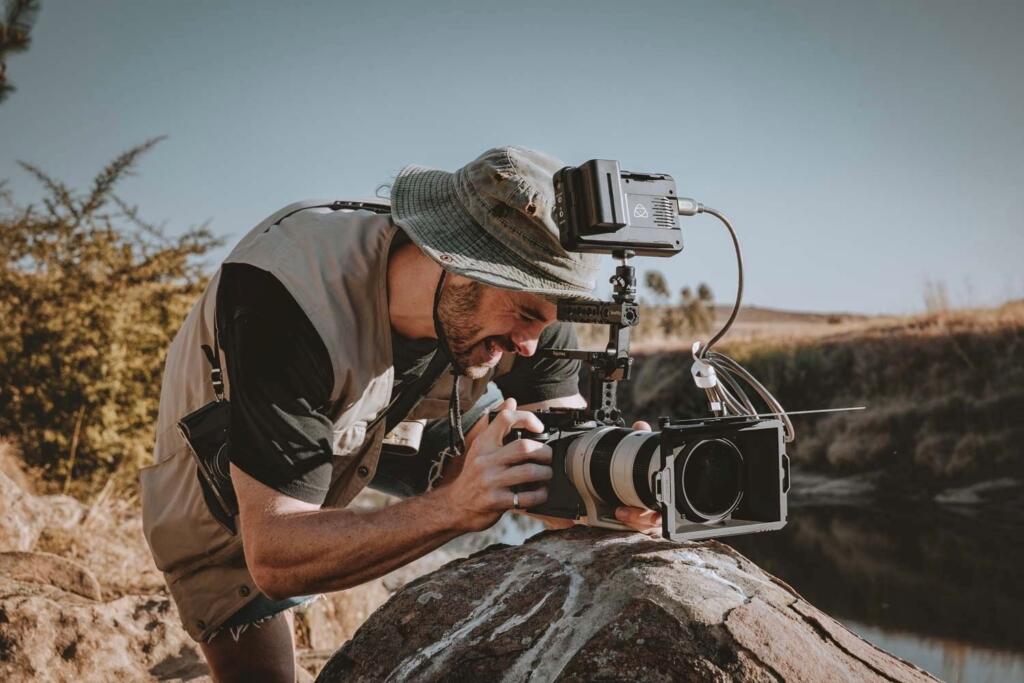
What do you attribute your successes in life to? What is your personal ethos or creed?
A lot of what I’ve achieved comes down to the crippling pressure of a tight (or neglected) deadline. It’s amazing what can happen when the adrenaline of a looming deadline kicks in – you can accomplish in a few hours what might have taken weeks otherwise.
Something my father tried (and failed) to teach me was to precipitate the crisis – in other words, create that pressure before the deadline so you don’t sacrifice something good for something half-baked. I’ve had my fair share of “half-baked” projects, and it can sting for weeks. This is where my grandmother’s maxim comes in: if you fail to plan, you plan to fail.

What advice would you share with yourself as a schoolboy knowing what you know now?
Ah yes, the beauty of hindsight. I was originally accepted to UCT to study Law, BA LLB. Much of this choice was influenced by the perception that my love for movies and drama wasn’t seen as a serious pursuit – by peers, parents, and even some teachers. This definitely nudged me toward a more “recognized” career path. The irony is that video is now the most sought-after medium in marketing and communications and shapes how we consume media as a society. At the time, many advised me to complete a “real degree” first, then pursue the arts if I still wanted to.
So, my advice to the schoolboy version of me would be: block out negative influences, but pay attention to constructive criticism, even when it stings. Embrace failure – it often (though not always) signals the need to improve and work harder next time. Focus on acquiring skills and building experience. If you want to be a photographer, for example, get a camera (buy, borrow, or even steal) and start ASAP. Spending too much time talking about it rather than doing it is dangerous. Reach out to professionals in your field – even a short coffee can provide valuable advice or mentorship. Never hesitate to send an email or message asking for help. Start building a network early; it will always come in handy.
Extra unsolicited advice: develop your presenting and writing skills. I’ve been fortunate to receive scholarships and funding for my studies at UCT and in Europe, and these opportunities largely came from writing strong applications and keeping my head during selection interviews.
What is your message to other Clifton Boys to inspire them to contribute or get involved in an Old Boy's Association?
Unfortunately, I’m a bit out of the loop myself. Between 2011 and 2013, COB was closely tied to the Water Polo community and, of course, drinking copious amounts of beer while reminiscing about the past – both of which I’m not entirely averse to. Since then, I’ve been living outside Durban and haven’t had the pleasure of attending COB events.
Any last thoughts?
Regrets: I wish I had pushed myself to learn another language – or at least laid the foundations during school. Living in Europe has been a huge eye-opener in this regard. Most people here speak at least two or three languages, which is often a real advantage when applying for jobs or funding. It’s not just about the language itself, but what learning it says about your curiosity and adaptability. Don’t brush off isiZulu or Afrikaans and consider classes in French or Spanish as a bonus. No one ever regrets learning another language.
Thank you, Jethro, for sharing your story and reflecting on your time at Clifton. Your journey is a true reflection of creativity, grit, and the Clifton spirit – and we can’t wait to see how ‘Love, Your Neighbour’ is received at the IDFA Festival.
#FromOurOldBoysNetwork #WhereAreTheyNow #AdventureAwaits

